
You can stop following up now
At the International Association of Fairs and Expositions Convention, we were talking about finding more volunteers and taking care of the ones you already have. I said:
“I don’t follow up on stuff that doesn’t need to be followed up on.”
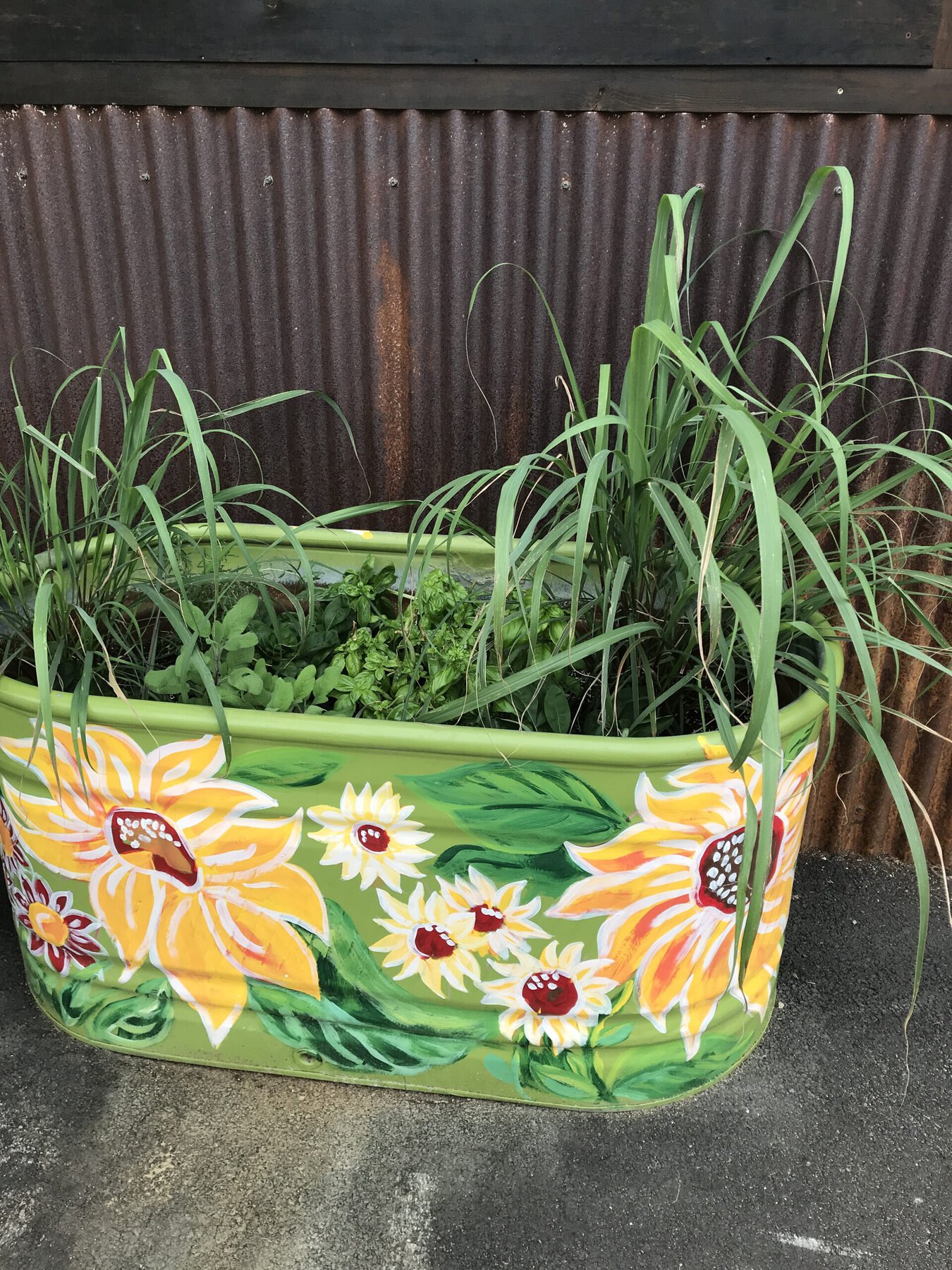
If someone volunteered to fix up the garden boxes and they didn’t do it? Don’t pester that person about the garden boxes. Look for someone else.
I know we’ve been taught that good follow-through means checking in, sending reminders, circling back. But sometimes that’s the wrong thing to do. When you keep chasing people about tasks that aren’t that critical, you’re creating burnout.
You burn yourself out. Every follow-up takes energy. Every reminder requires mental space. And if you’re doing this for ten different people about “nice to have” projects, you’re exhausted before you even get to the things that actually matter.
You burn them out. That person who didn’t fix the garden boxes? They probably feel guilty already. Your reminders just pile on the guilt without increasing the likelihood they’ll actually do it. And now they’re less likely to volunteer for something else later.
You waste time on the wrong things. While you’re crafting that third reminder email to that one person about the garden boxes, you’re pulled away from the critical tasks.
This is why I said that accountability is overrated sometimes.
The Idea Friendly Way is to make the size of the step you ask them to take match their motivation.
Make a clear distinction between “must happen” and “would be nice.”
Must happen and they are still engaged? Yes, follow up. Send reminders. Make sure it gets done, or find someone else to step up. Save this for safety-critical tasks and legal requirements.
Would be nice? Let it go. If the first person doesn’t come through, quietly look for someone else. Or decide it doesn’t need to happen at all. I mean, maybe let nature tend the garden boxes for a bit longer.
Getting the garden boxes fixed is not your goal. Building a stronger community is your goal. And helping people stay engaged without feeling pestered and guilty is part of that.
Decide to let it go
Think of one task or one volunteer you can quit following up on, and decide now to let it go.
Either find someone else for it, or admit it wasn’t that important in the first place. Either way, you just freed up energy for something that actually matters.