
The Idea Friendly Method puts success in your community’s way
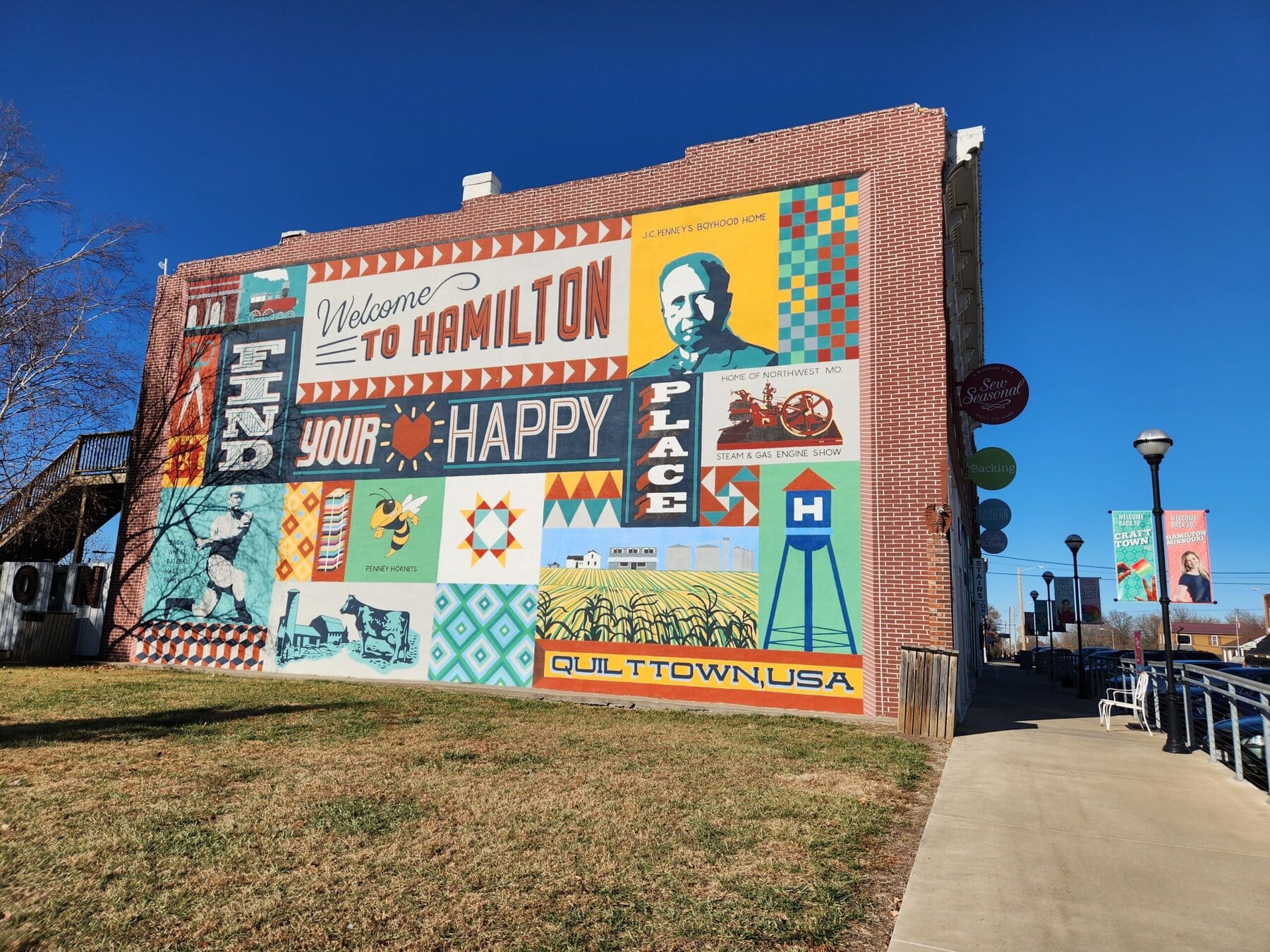
Bob Hughes in Hamilton, Missouri, sends me regular updates of the Hamilton Community Alliance. I had been thinking of it as just a nice idea, and then we exchanged a few emails that changed my thinking.
They hold quarterly meetings where people from different organizations and groups share what they’re up to, and they create new projects together. The conversations and connections help people find the resources and guidance that will make them more successful. The conversations are the key.
Bob said, “Probably the best thing is that people are starting to see the interconnectivity of what we are doing. Your model of providing people with the guidance and resources to make their ideas a reality is spot on!!!”
Notice the Idea Friendly part: helping people with their ideas. Not trying to get everyone to back a single grand vision. Not requiring buy-in to one big plan. Supporting whatever ideas people bring.
The HCA’s mission includes: “resource, connect and empower persons, organizations, and agencies to partner together for the betterment of Hamilton MO and Caldwell County.”
That’s how the Idea Friendly Method becomes a community-wide movement.
You put success in your community’s way
The Idea Friendly Method gives you a path: Gather Your Crowd around an idea, Build Connections to turn that crowd into a network, Take Small Steps to make it happen together.
But how do you do this as a whole community? That’s where I’m borrowing Rob Hatch’s “Put Success in Your Way” framework. It’s a simple approach of making the thing you want to do easier than not doing it.
Rob often shares this example: if you want to make sure you go run in the morning, put your running shoes by the bed the night before. (Obviously, there’s a lot more to it, but let’s just borrow this part.)
For communities, this means creating the places and times that make it easy for people to connect and act. The Hamilton Community Alliance is intentionally putting success in people’s way by creating the regular gathering space where connections happen automatically.
More examples of putting success in your community’s way
In Caldwell, Kansas, the local do-ers used to gather for Mule Mondays. They went for Moscow Mules on Monday nights at a local spot where they’d talk about what they wanted for their community. Informal. Regular. Easy to show up.
In Ponca City, Oklahoma, Alena Jennings is part of a text message group chat for local business owners. They share books they are reading, ideas they have and requests for info. One person might ask something like, “Does anyone know a musician available for this weekend? I have a last-minute event!”
Resources can surface easily because the connections already exist.
How NOT to put success in your community’s way
Compare that to formal monthly meetings in another place I visited. They are run by an outside organization with strict agendas, and held in a courthouse conference room. (The court house is never the most friendly place to get together.)
One person was put “in charge” and others were expected to show proper deference.
“Well, it’s her meeting, so we’ll have to ask her if you can share that. It’s not on the agenda.”
People have to stay after if they want to informally talk to each other. Fewer ideas get traction because there’s little room for organic collaboration.
From individual action to community movement
When you put success in people’s way, you get what Bob described. People seeing the connections. Resources appearing when someone needs them. Ideas becoming reality because the system supports them instead of blocking them.
That’s how the Idea Friendly Method scales from one person with an idea to an entire community making things happen.
Create the regular gathering space.
Keep it informal enough that real conversation happens.
Connect people to people.
Photo CC by Robert Stinnett.