How Communication Tools Shaped How We Organize, and Why That’s Changing Now to the Idea Friendly Method
In 2016, my SaveYour.Town cofounder Deb Brown and I were on a working retreat when the Idea Friendly Method was still fairly new. As we worked through the method, she asked, “Why is this happening now?” Which is a great question.
I gave her a long answer at the time, but I’ve only shared part of it in one article here. Here’s the full story. It’s everything to do with our ability to communicate across distance.
In the 1840s, we got the telegraph.
In the 1850s, postage stamps for regular mail.
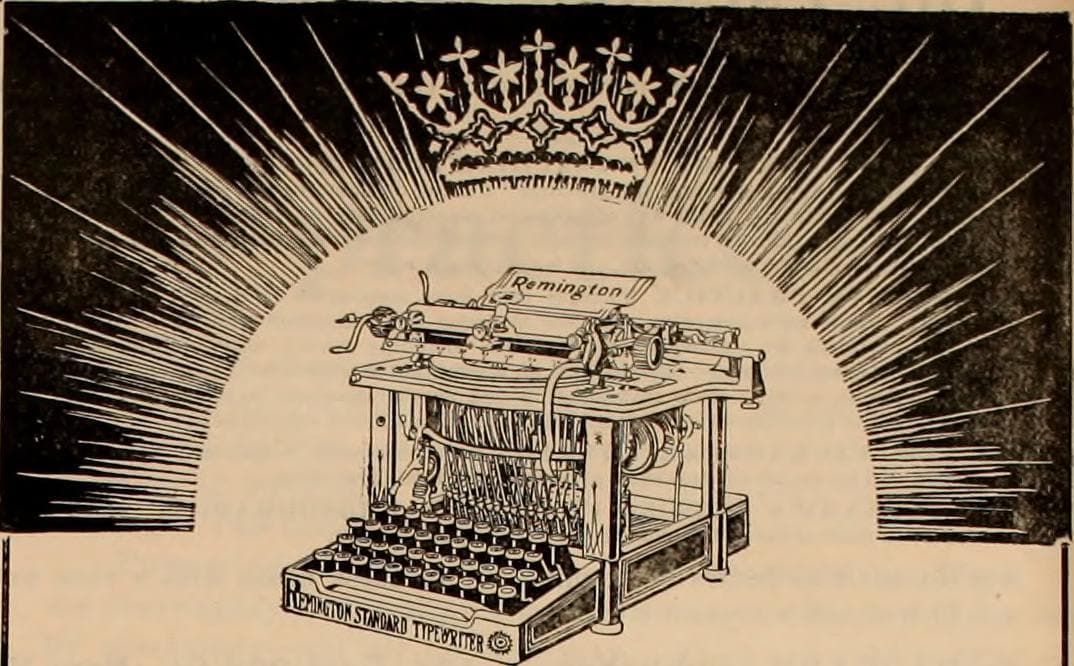
In the 1860s, the typewriter.
You can imagine how together these made communication a lot easier, and that easier communication revolutionized how people worked together.
In the 1850s we saw the first uses of organizational charts for business
In the 1870s we got Robert’s Rules of Order.
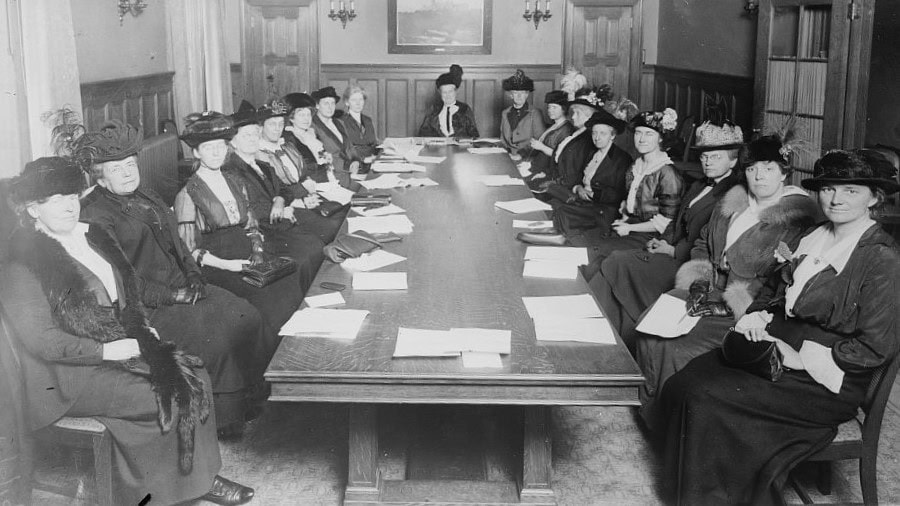
This was setting up the style of formal organizations that we still work with today. It’s part of all our local organizations, governments, boards and committees.
This is also why so many organizations have founding dates in the 1900s and ‘10s. It was an organization boom. Professional societies, fraternities and sororities, arts organizations, unions, commercial groups and a lot more multiplied and thrived for decades.
But communications tools kept changing.
In the 1970s, we saw the beginnings of email.
In the 1980s, it was the internet.
In the 1990s, text messaging.
By the 2000s, we had social networks.
Then it all moved into our hands, and we carried it everywhere. By today, it’s clear our old way of organizing ourselves in the typewriter age won’t cut it anymore.
You are reading this on a device with more computing power than all government agencies held, what, 50 years ago? Together, people like you and me hold more communications power, the ability to reach individuals and groups, to broadcast and to receive, instantly, synchronously or asynchronously, than all the media companies held decades ago.
We have instant access to information that was unthinkable even 20 years ago. And we can access it any time and anywhere. Common AI tools can now help us understand and tap that information.
Knowing all that, it’s obvious that we’re going to use new ways of working together. That’s why we are shifting from formal organizations to working together informally, as needed. It’s an epic shift in power toward individuals. It’s another boom, but without all the structure.
Next newsletter (in two weeks), I’ll share how those old formal organization designs have solidified into rather creaky Decision Machines and why that’s not a good thing.