Every Decision Costs Rural Communities Energy: The Old Way drains capacity, the Idea Friendly Way builds capacity
A couple of weeks ago, I shared how we came up with a lot of the formal organization methods that we use today: organizational charts, committees and procedural rules.
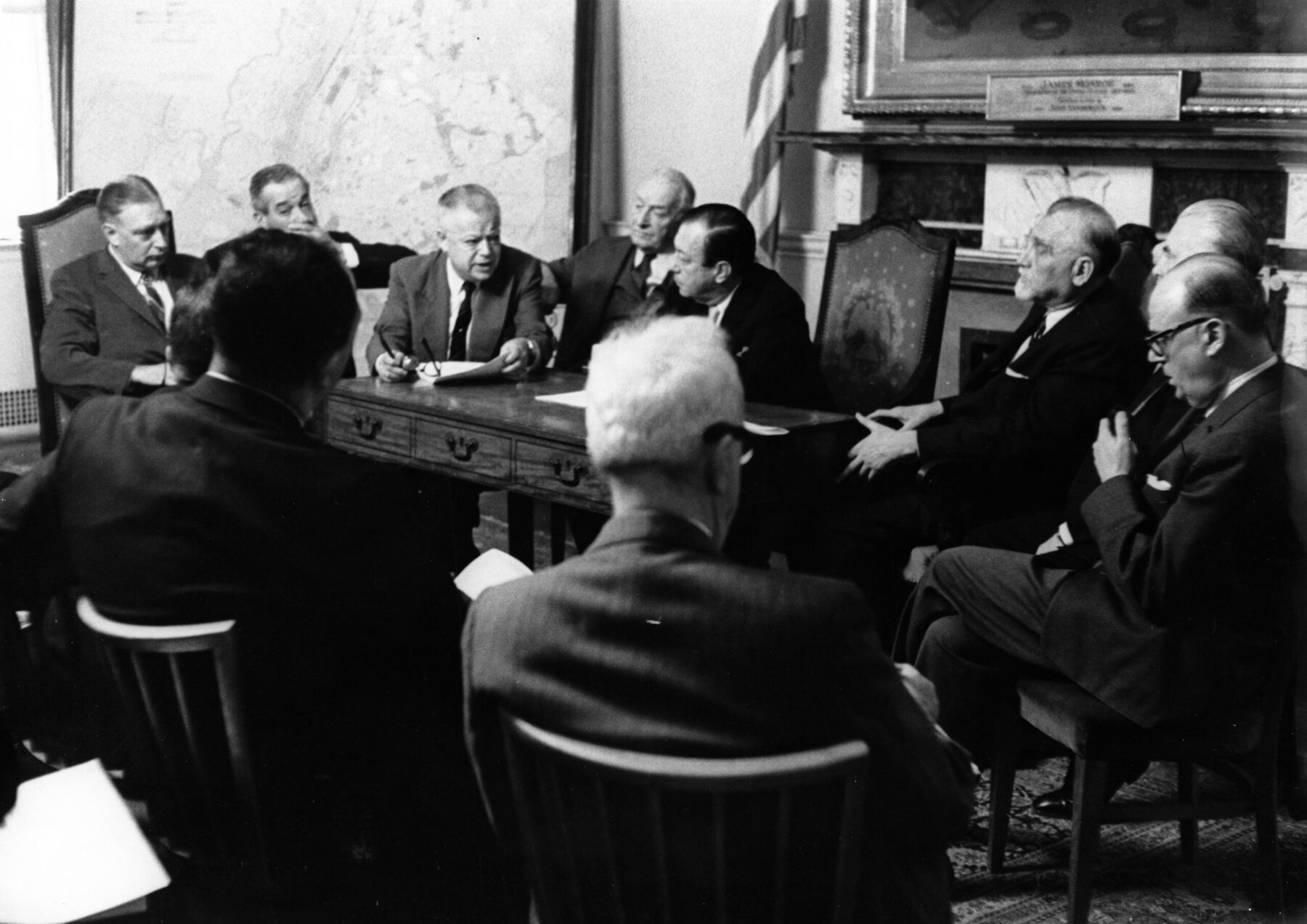
Let’s call that the Old Way. It’s formal, with structure, committees, meetings, notes, reports, and accountability. A few people do most of the organizing with appointments, officers and official members.
Its main function is to decide. Pick winners, eliminate choices, streamline, hold votes, find the one “best” way and write the plans. It’s a Decision Machine.
Because of the effort of mobilizing and deciding, the Old Way tends to approve large projects that are long term. It’s just not worth it to put in all the effort and make all the decisions for little things.
When someone brings up a new idea to an Old Way organization, that triggers a cascade of decisions:
- Is this a good idea?
- Who should evaluate it?
- Should we form a committee?
- What are the risks?
- Do we have the resources?
- Should we get an outside expert?
- Whose permission do we need?
- What rules does this trigger?
- What does the committee recommend?
- Do we need public input?
- Should we vote?
We get these layers of decisions by decades of good people saying, if we add one more rule, then we’re less likely to fail.
Every single one of those decisions drains energy. My friend Rob Hatch says “Decisions are distractions.” Stopping what we are doing to debate “whether” or “how” or “why” burns part of our limited capacity.
All that debate, research and thinking costs energy, and it drains the capacity of rural communities.
The person with the idea loses momentum. The community loses the potential contribution. And nothing was even tried.
Rob’s answer to decisions is to Decide Ahead of Time. Strip the thing down to the simplest decision you can make before you’re in the situation. You make this one decision that eliminates hundreds of future decisions and saves your capacity for important work.
In the Idea Friendly Method, the simplest decision to make ahead of time is “All ideas are good enough to let someone test.”
The question shifts from:
“Should we do this?” (and all the questions that come from that)
to
“What’s the smallest version someone could try?” (much simpler question)
The first evaluation can happen after the tiny test, when there’s actual evidence. Not before, when all we have to go on is our past experience, speculation and opinion.
Maybe the formal organization doesn’t need to get involved at all. Maybe regular people make the idea happen without going back to formality.
In the old way, community energy is spent running the Decision Machine over and over, deciding whether to act.
In the Idea Friendly way, energy is spent trying something small and seeing what you can learn, or just enjoying the thing you did.
In the old way, It takes the same large amount of energy for a small idea as a big one.
In the Idea Friendly way, it takes the same small amount of energy to try a small idea or try a small step to test a big idea.
Learn the Idea Friendly Method in depth in my bestselling book: The Idea Friendly Guide
Order a copy of the ebook, paperback or Large Print at your favorite retailer: Bookshop.org, Amazon, Apple Books, and more